
The Churchwardens are responsible for looking after the church building. They work alongside The Fabric Committee, and together they take responsibility for looking after the building and the Churchyard area closest to the Church; looking after the maintenance, security, and cleaning. Apart from the ordinary maintenance jobs which need to be done in any building, the Church is inspected every 5 years in what is called a ‘Quinquennial Report’. Normally this report shows various things that need to be attended to and it is the responsibility of the Fabric Committee to commission the work to be done.
With a building with some parts over eight hundred years old and grade two listed, this work needs to be carried out with a lot of care, much of it by specialist craftspeople and with original, or at least compatible, materials. Before any work can be carried out on the Church permission has to be obtained from the Consistory Court of the Diocese. This is a system for ensuring all repairs and alterations to churches and churchyards are planned and carried out with proper consideration given to the historic fabric and architectural significance of the building, and to the archaeological impact on the churchyard. This ‘faculty’ is a licence issued by the Court on behalf of the Bishop, permitting work to be carried out.
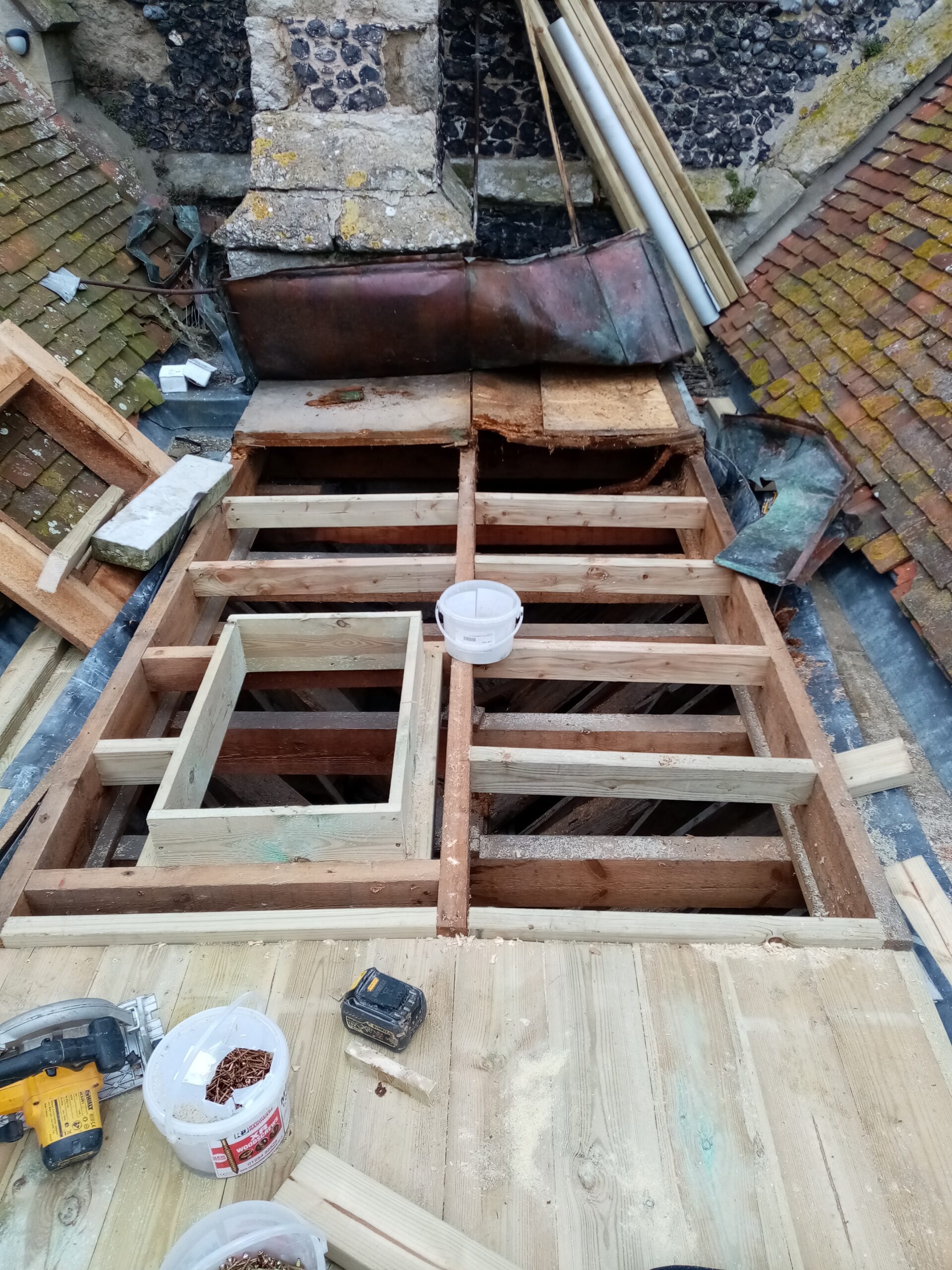

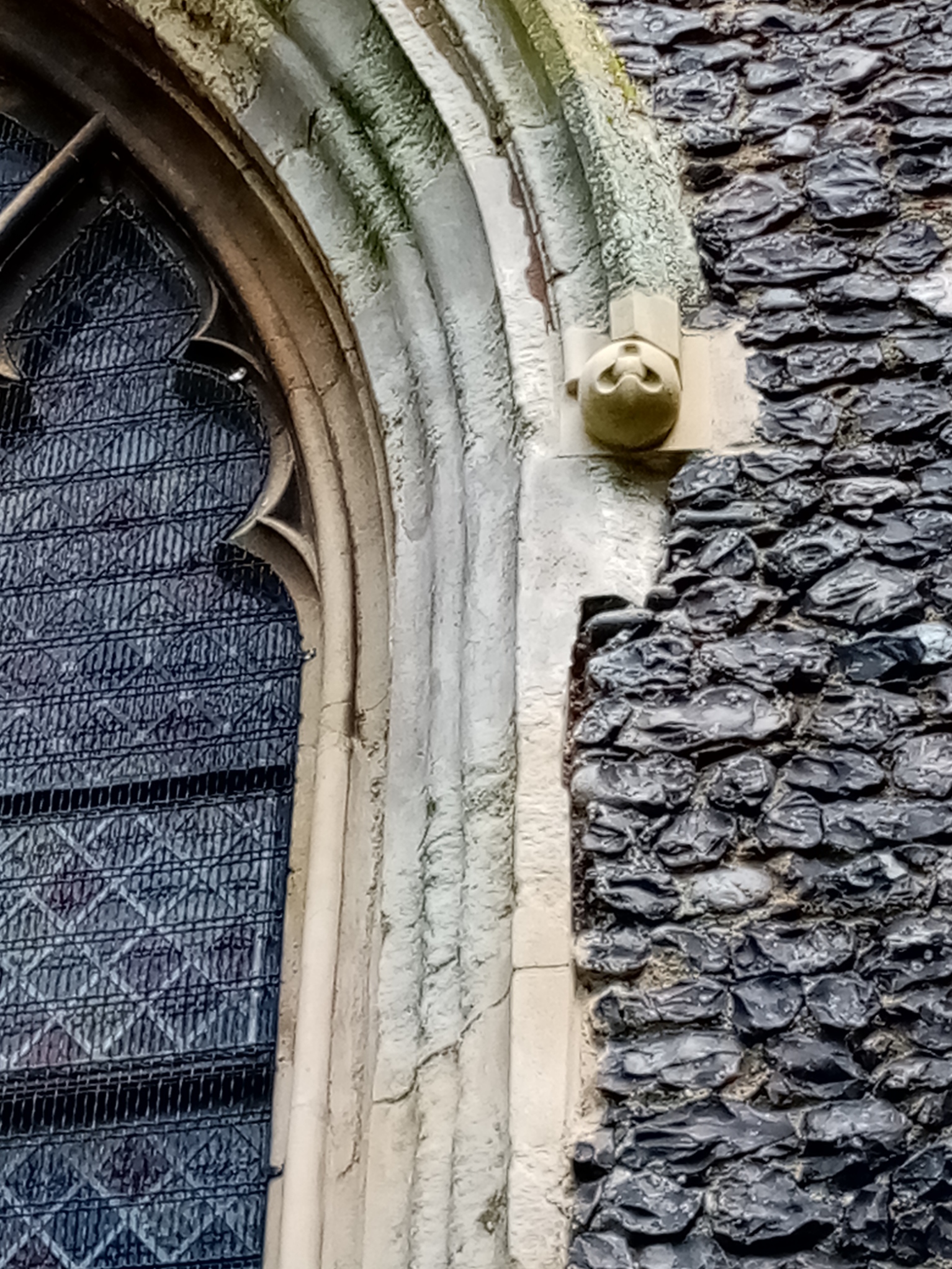
We have just completed the work that was reported in the last Quinquennial Report from 2019 which has taken longer than usual because of the Covid lockdowns. In some places stone work has been replaced, this can be seen in some areas on the outside of the building as the new stone stands out from the old as very clean and smooth. All the guttering has been cleaned and painted and, in some places, replaced. We have also had to replace some parts of the roof over the Lady Chapel and the North Aisle. Some of the stained-glass windows were removed to be repaired on the South side and are now back in place.
All this work due to its complexity and the need for very skilled workpeople increases the cost. In the past 800 years various benefactors living in the parish have helped maintain the fabric so we today can enjoy the beauty of the Church. Today whilst we still receive much needed generous bequeaths and some very welcome grants from various bodies such as the Friends of Kent Churches the majority of the money to keep the Church in its present state comes from the raising of funds by the parishioners themselves. St Peter-in-Thanet is not only a Church building it is the very heart of the community of the village which takes its name, it is the responsibility of everyone who lives or runs a business in the parish to contribute to the maintenance of this historic building, to ensure that future generations have the link back to their past. Back in history the Church received tithes and taxes to maintain the fabric, today the Church has only the free will donations from those who live in the parish.
Looking forward to projects this coming year, the roof of the Vestry which is 100 years old, is past its use by date and will need some major attention this year. We are looking at greener alternative methods of heating the Church as the boiler is very old and not energy efficient, the heating system is over 100 years old and is a Perkins Patented high pressure hot water system. We are one of only 13 churches in England to still have this “Perkins” system working and it is a marvellous example of Victorian over engineering that it is still working, albeit at lower temperatures and pressures than it was originally designed for.
There are a number of unusual things the committee has to deal with such as lightning conductors, roof alarms and the upkeep of the Belltower. The clock in the tower which was made in 1887, until recently was maintained by Thanet District Council under the maintenance of Public Clocks’ Order 1905 but due to financial constraints they have now stopped this service. Therefore, the Fabric Committee is now responsible for the clock.