
St. Peter’s church is in the centre of the Village of St. Peter’s, Broadstairs. It is largely of the Norman period in construction and is linked to St. John’s Church, Margate and St. Lawrence Church, Ramsgate. These three churches were chapels of ease to the mother church of St. Mary’s, Minster.
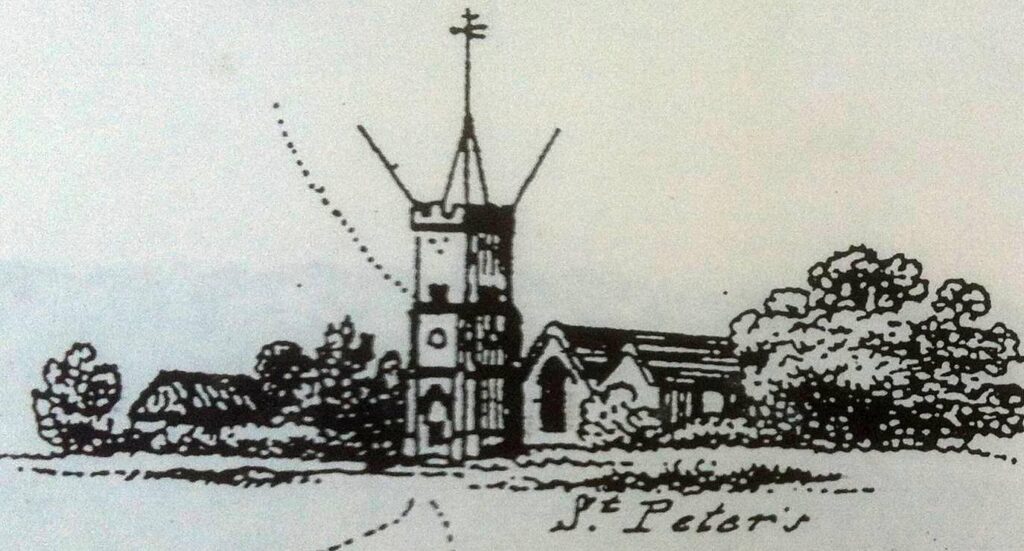
There is no definite date for the original construction of St Peter’s but 1050 is quoted for St. John’s and 1062 for St. Lawrence therefore it is likely that between these dates St. Peter’s Chapel was constructed.
The South aisle was the first chapel at St Peters, standing alone, but the church was enlarged to the north in 1180-1185.
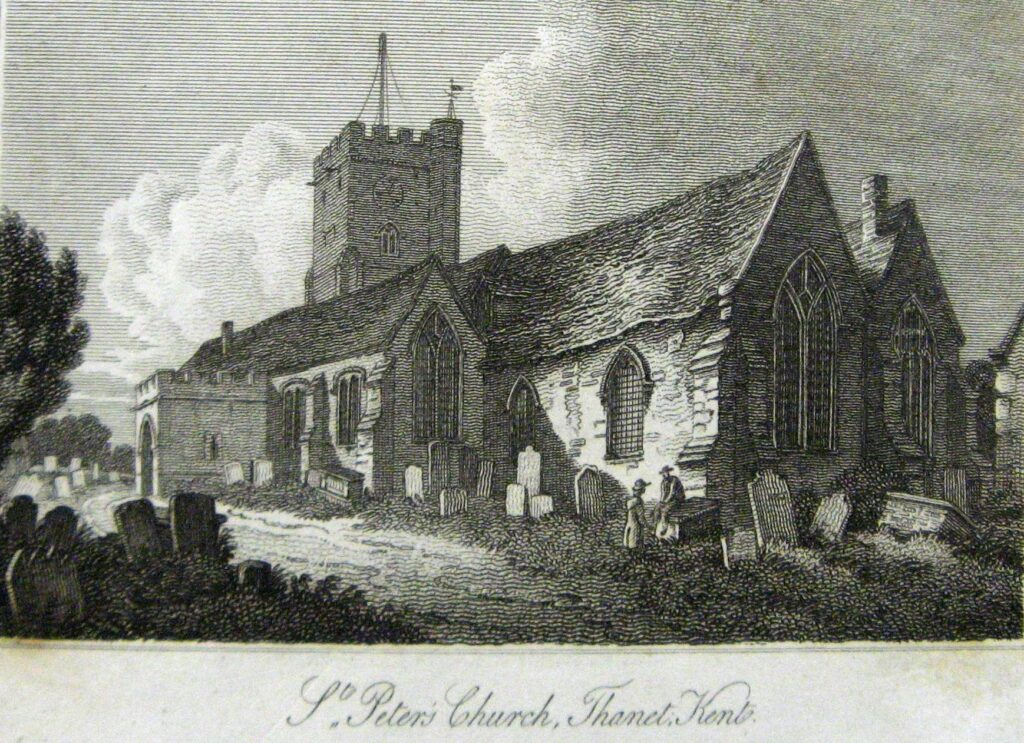
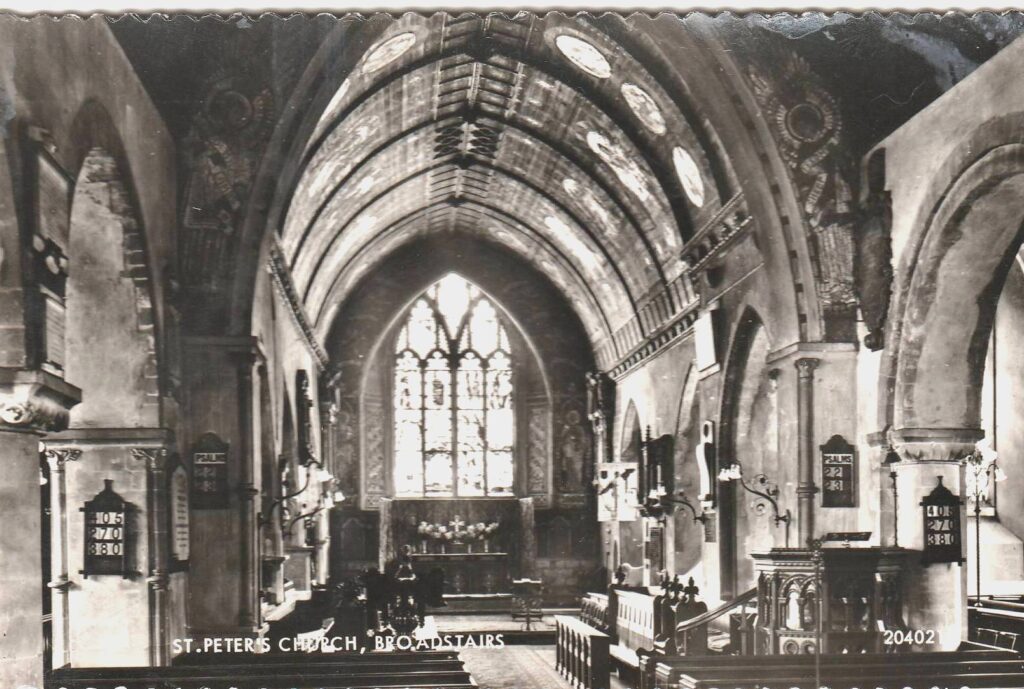
The present building has a late Norman nave and an Early English Chancel. The battlemented tower and the south porch are in the Perpendicular architectural style from the 15th Century. The tower is a prominent feature and, for long the highest point in Thanet, it was used as a Naval signalling station in Napoleonic times and still claims the right to fly the White Ensign.
For centuries, the Church was the seat of local government and meetings were held in the old vestry, where Church wardens collected rates, discussed matters such as the highways and the destruction of vermin! In 1694, a school was set up in today’s Children’s corner with a bequest of £20 per year, to pay for a schoolmaster to teach 20 poor children.
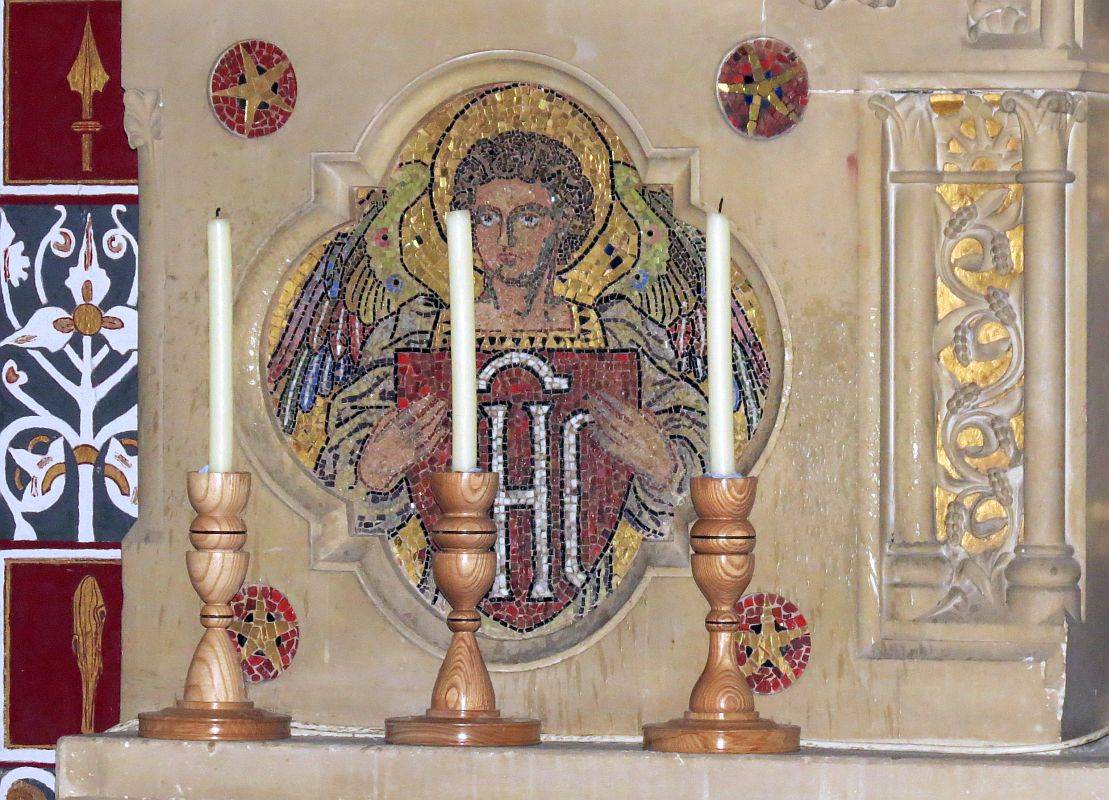
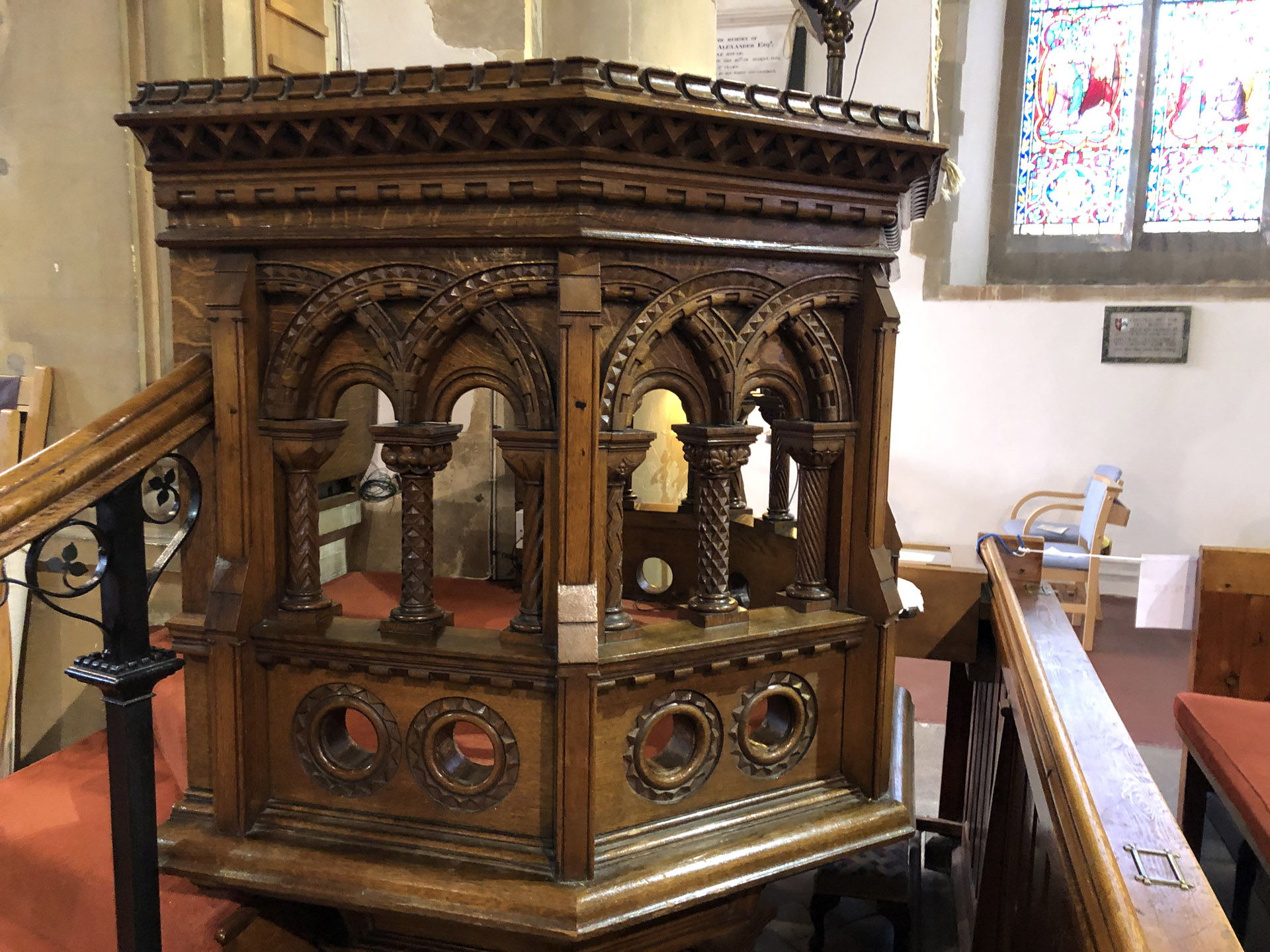
Extensive restoration work was carried out between 1860 and 1900. The stained glass windows and mosaics date from this period. Recently the organ has been restored and the 8 bells have been re-hung in a strengthened frame. The first church hall, built in 1972, was opened by ex-Prime Minister Ted Heath who was born in St Peters and sang in the choir.

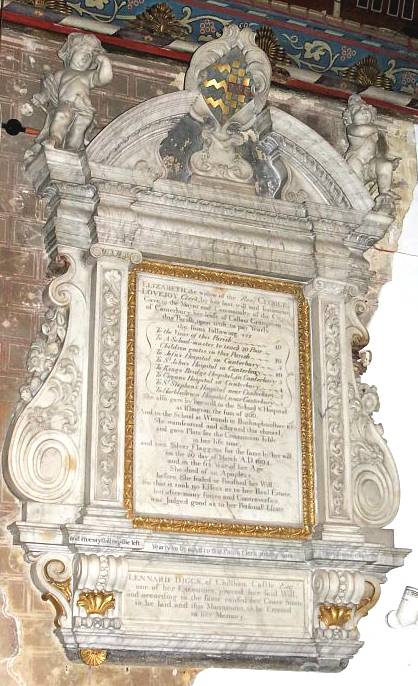
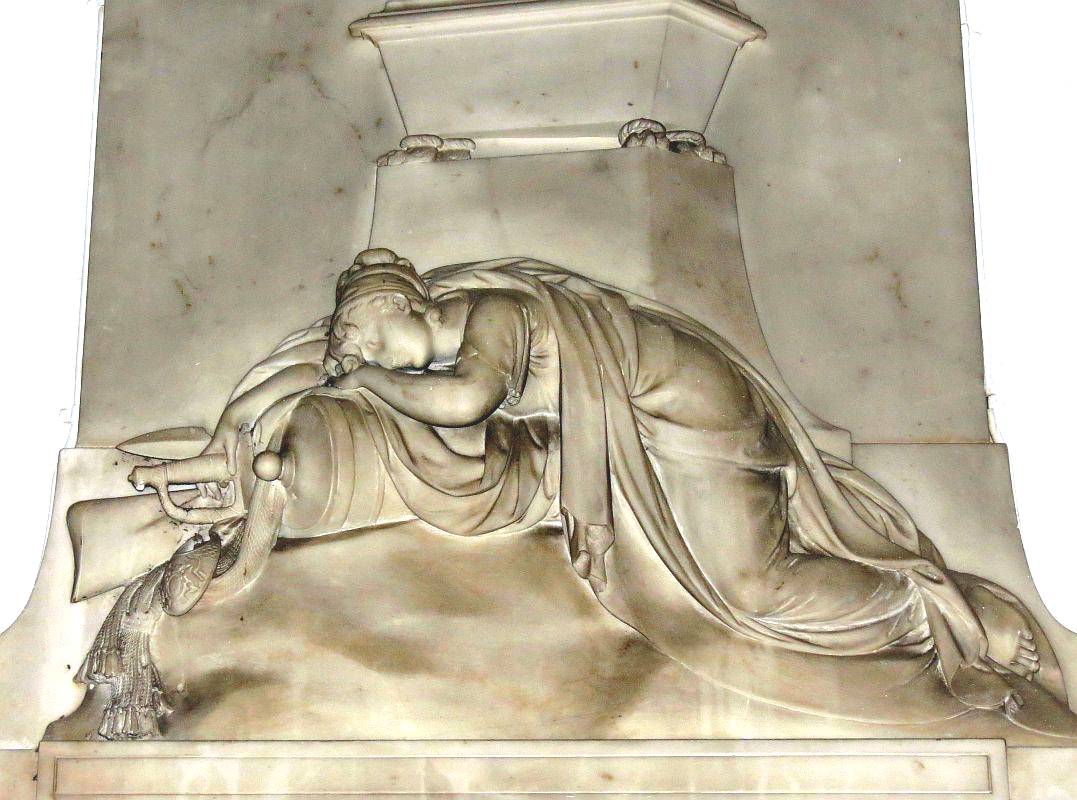
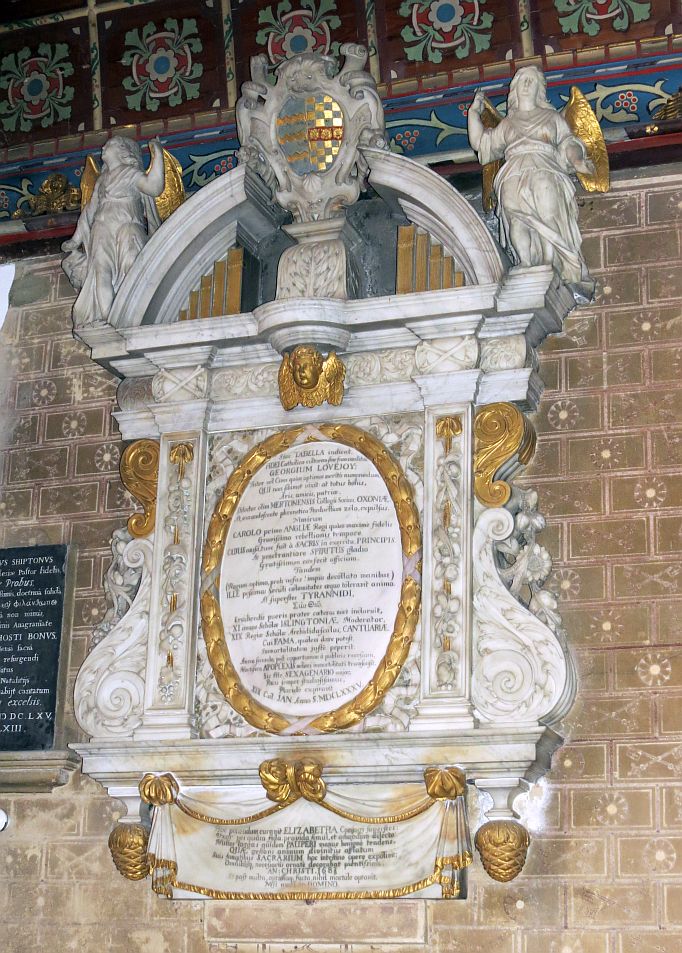
There are some fine Victorian stained-glass windows in the church, but sadly no medieval glass is still in existence. However, for those seeking their family histories, the church has many interesting ancient memorials, as well as fine old tombs and family vaults in the nine-acre churchyard. There was a decorated rood screen across the chancel, which was removed in the Victorian era but parts of it may still be seen in the church. The door to the rood screen still exists in the side of a window in the north aisle, and the ‘creep’ by which one accessed the top of the screen may be seen in the choir area of the chancel.



Broadstairs and St Peters, Thanet
Once an actual island off the south east coast of England, Thanet has since become the Isle-of-Thanet. In mediaeval times there were three late Norman churches in Thanet, (St John, St Laurence and St Peter), serving what were to become the three towns of Margate, Ramsgate and Broadstairs.
St Peters Village was originally the largest village in the area, with Broadstairs being just a small fishing village on the coast.

As Broadstairs developed during Victorian times the residents living near the harbour at the bottom of the town petitioned for a chapel of ease to be provided. Holy Trinity was built in 1830 and became a separate parish in 1850. Subsequent development has taken place largely “up the hill” around the village of St Peter’s.
The parish of St Peter-in-Thanet surrounds Holy Trinity and has more than half of the population of the present town, which is properly named Broadstairs and St Peter’s.
As the town expanded further, the daughter church of St Andrews was built on a site in Reading Street in 1911. St Andrews became a parish in its own right in 2012 with the formation of a group ministry for Broadstairs covering all three churches.
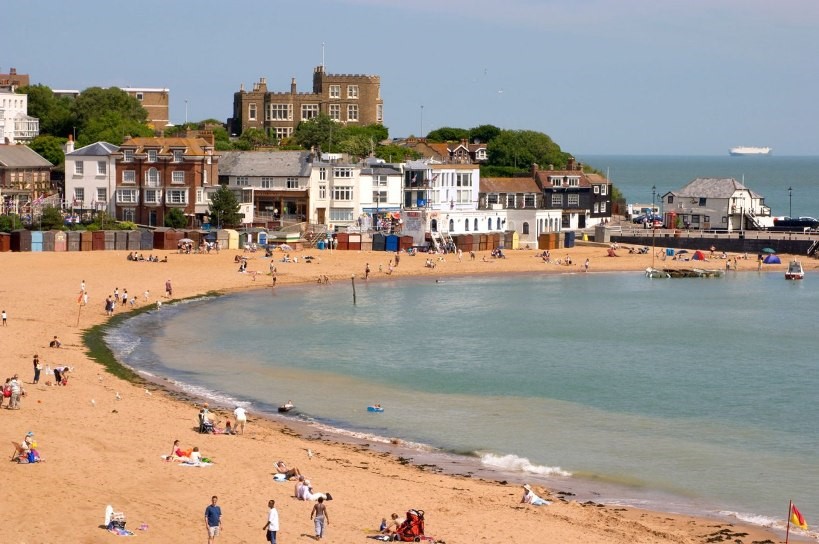
Broadstairs and St Peters is now a picturesque, old seaside town with many sheltered bays and sandy beaches. It is close to the channel ports, the high-speed train line and the prospects of an airport, with a gateway to mainland Europe only 15 minutes away. The town is steeped in history and many distinguished people have been closely connected with it: Charles Dickens, Sir Edward Heath, Brenda Blethyn, Lord Northcliffe (founder of the Daily Mirror), and many more.
The location of St Peter’s church benefits from a large, free car park and a well-stocked Co-operative store, doctors’ group practice, and a delightful village green. Here also is the Red Lion Pub, which together with St Peter’s Church are two of the key stopping points on the widely attended and award–winning Village Tour which runs weekly during the tourist season. The Tour leads some 1,000 visitors per annum between sketches and vignettes, with costumed characters.
Learn More
For a comprehensive history of the church – including information on hidden pre-Reformation painted panels, there is a book – ‘The History of St. Peter-the-Apostle Church in Thanet’ that may be purchased from the Parish Office in Hopeville Road, St. Peter’s or from this website, by contacting mumzio@hotmail.com.
It is priced at £10, plus p & p, and is full of interesting information about the building and the people who worshipped there over the years.
All money raised from the sale of the church history book goes straight to support St. Peter’s Church.